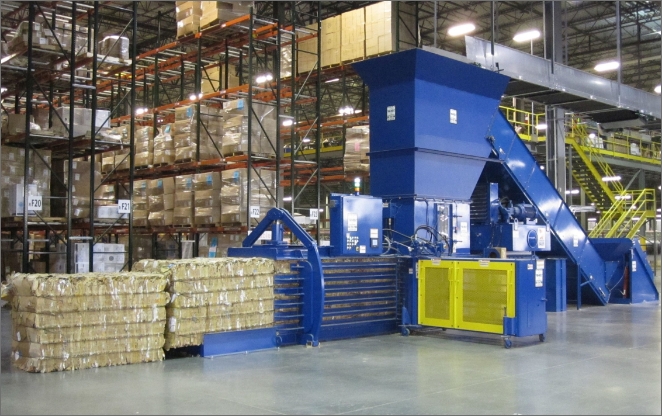
If you’re baling your own cardboard, 2026 has been worth paying attention to. After a rough 2025, OCC prices have climbed steadily through the year. Recyclers are seeing better margins, even as the packaging companies buying that fiber feel the squeeze on the other end. (Source: Waste Dive)
That swing matters if you’re generating and selling your own bales. When prices go up, baler bale quality matters more, not less. Haulers and mills pay for quality. A bale that’s underweight, loose, or full of contamination gets discounted or rejected outright, and that’s money you already spent labor and machine time to produce.
A few things worth checking on your own floor right now:
Bale Density
If your baler’s chamber pressure or cycle settings haven’t been checked in a while, you may be putting out lighter bales than your machine is capable of. That’s lost revenue on every load, not just the occasional bad one.
Wire and Tie Consumption
Cheap or worn wire heads cause loose ties and rejected bales. It’s a small cost that shows up as a bigger discount at the scale.
Throughput Versus Generation
If your cardboard volume has grown since you installed your current baler, and a lot of plants have grown volume with e-commerce shipping, you may be backlogged or running the machine harder than it was built for. That shows up as downtime, not as an obvious loss, but it’s still lost material and lost hours.
Uptime
A baler down for a week during a price upswing costs you twice: once in downtime, once in missed pricing.
None of this requires buying new equipment. Sometimes it’s a maintenance visit, a tie-wire change, or a setting adjustment. Sometimes it means your baler has simply outgrown your volume, and it’s time to talk about a bigger chamber or a higher density unit.
Either way, right now is a good time to have someone take a look, while the market is paying attention to quality.
If you want a second set of eyes on your baler setup, sizing, or bale quality, give us a call.